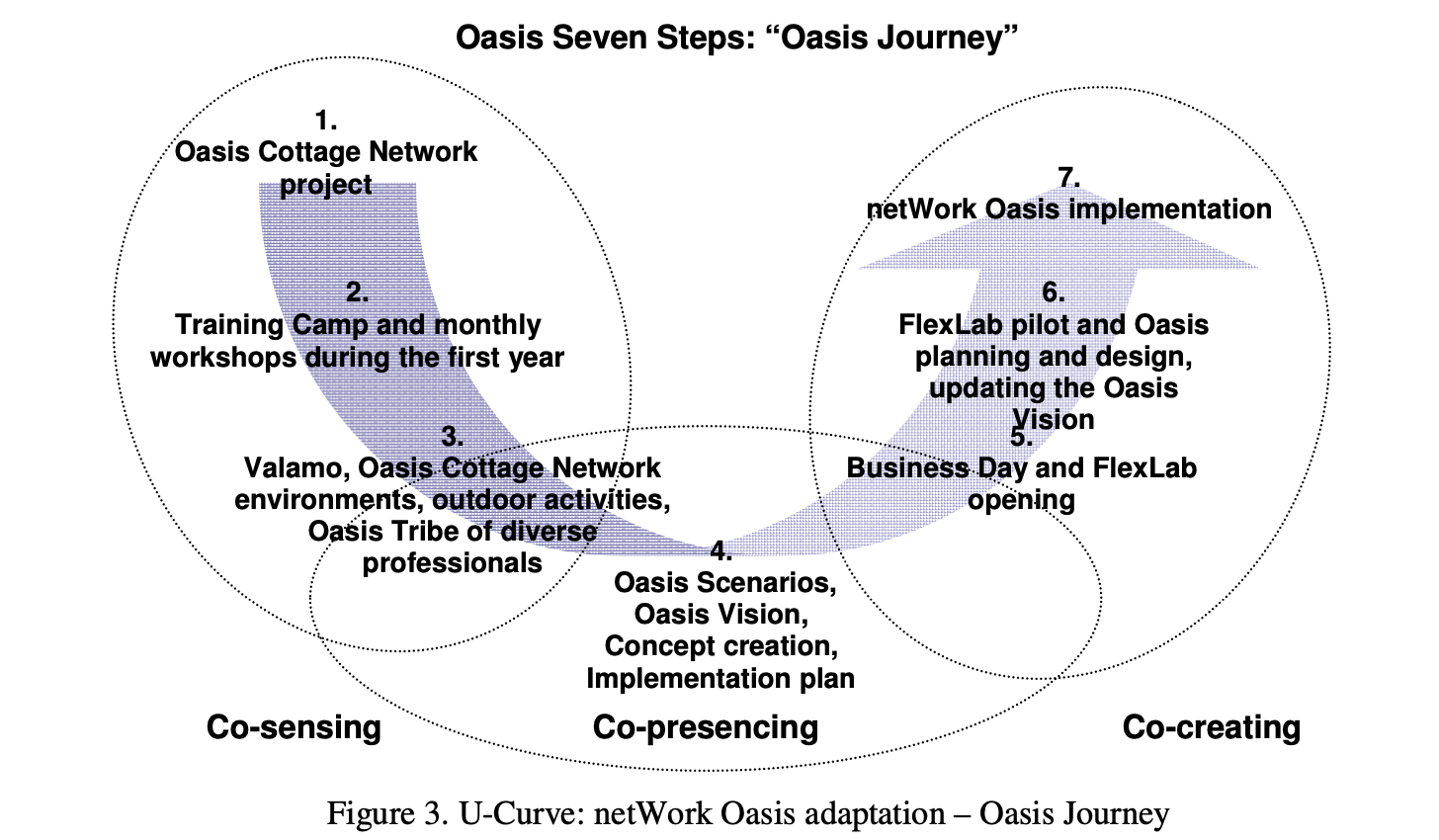
My book writing process has been a blessing. During the last one and half years I had time to reflect and contemplate my experiences and lessons learned in 40 years of colourful career. I am deeply grateful for many people who have inspired me and given useful advice. Years ago Heikki Immonen – once an enthusiastic young team member in our netWork Oasis team, many years later suggested me to read Alex Pentland‘s Social Physics. He knew my interest and work around serendipity and innovation environments — he just said: “Read it, you will love it”.
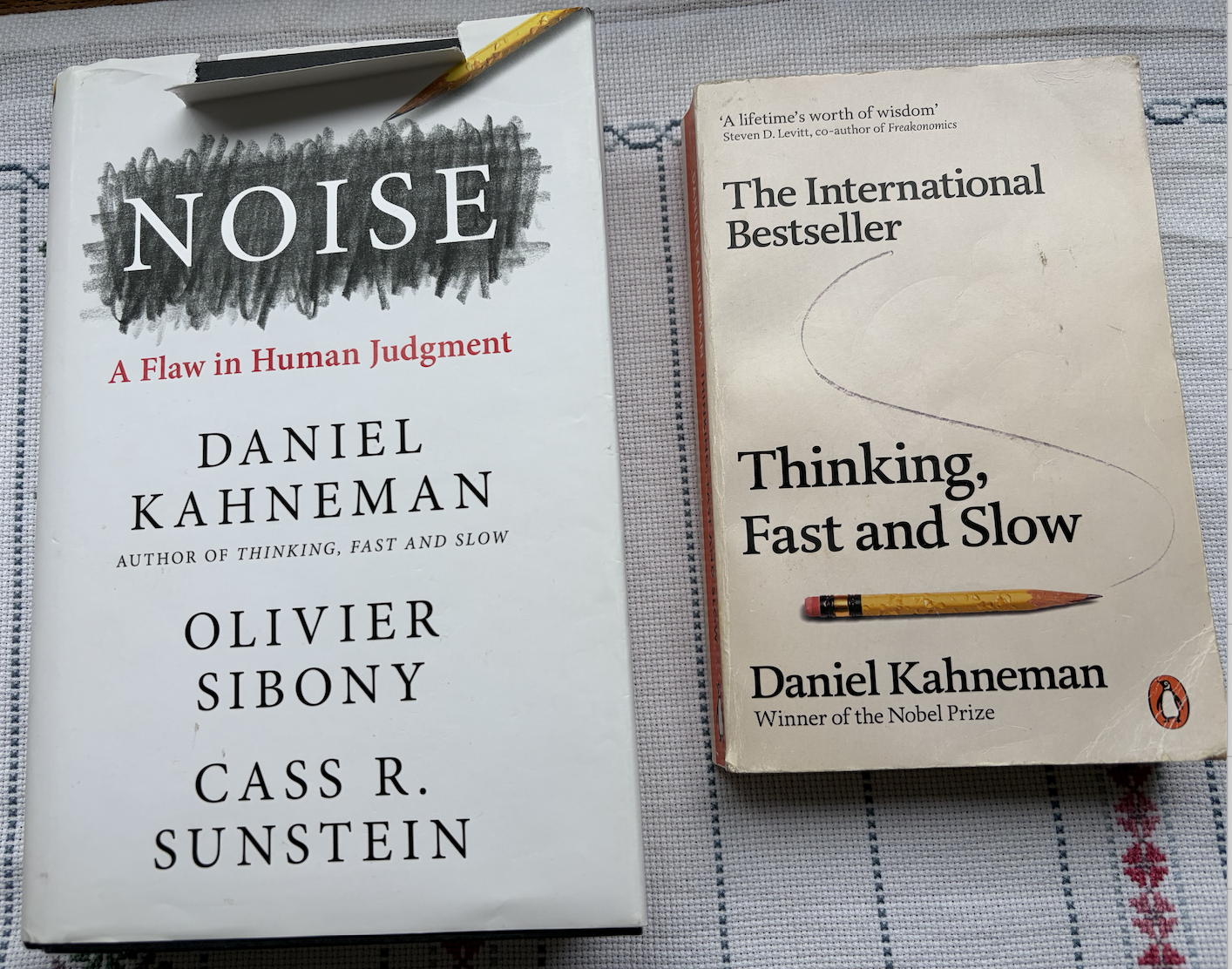
And indeed I did. Maybe I didn’t fall in love with it straightaway, while reading it during a very busy period of consultancy assignments. Here we see — my first reading was not my Kairos moment for Pentland. That moment came finally when I started my book writing process and intensive research and my state of mind was relaxed and curious. Then Heikki’s advice turned out to become precious. Pentland earned a seat in my Jester’s Inner Circle, alongside Arthur Koestler, Daniel Kahneman, Gary Klein, and Pek van Andel.
When Alex Pentland titled his book Social Physics, he was not being metaphorical.
On page 5 he writes:
“Just as the goal of traditional physics is to understand how the flow of energy translates into changes in motion, social physics seeks to understand how the flow of ideas and information translates into changes in behavior.”
The wisdom in this sentence enables reframing innovation. It shifts the focus from individual brilliance to idea flow and changes in behavior. It may sound odd, but I firmly believe Pentland has a point here. Not a single genius, not a lonely talent are decisive — but flow. Pentland’s research demonstrates something that many organizations still resist: Performance is shaped less by who people are and more by how ideas move between them.
The Pattern Matters More Than the People
In one of the most striking findings (pp. 88–91), Pentland reports:
“The pattern of idea flow by itself was more important to group performance than all other factors and, in fact, was as important as all other factors taken together.”
Think about that. Individual intelligence, personality, skill — everything else combined — mattered less than the pattern of idea flow.
He continues:
“Groups have a collective intelligence that is mostly independent of the intelligence of the individual participants.”
If understood properly this is revolutionary. Mostly independent means IQ is not the primary driver of group performance. Interaction design is.
High-performing groups showed in his (et al) research three characteristics:
- Many short contributions instead of a few dominant voices
- Dense interaction and rapid micro-feedback
- Diversity of ideas with similar levels of conversational turn-taking
The largest predictor of group intelligence was the equality of conversational turn-taking. In other words: Organizations do not think. Networks think.
The Danger of Too Much Flow
Pentland does not romanticize connectivity.
On page 41 he warns:
“One disturbing implication of these findings is that our hyperconnected world may be moving toward a state in which there is too much idea flow. In a world of echo chambers fads and panics are the norm, and it is much harder to make good decisions.”
Too much idea flow, too much noise. And in the ambiguous and complex Postnormal Era this leads to lost signal-noise ratio and distorted and blocked idea flows. Think about what happens to the water in a pond with no water flow => It starts to stink and becomes non transparent!
Without diversity and structural gaps, idea flows may either pile up or flood excessively ruining the already existing structures. => Connectivity becomes conformity. Engagement becomes echo.
And this is where the bridge to other sages of my Jester’s Inner Circle becomes unavoidable. Arthur Koestler describes breakthrough thinking as bisociation — the collision of independent matrices of thought.
Pentland measures the network conditions. Koestler explains the cognitive event.
But someone must protect the conditions under which those collisions occur.
The Enlightenment Myth
To understand why this matters now, we need to step back.
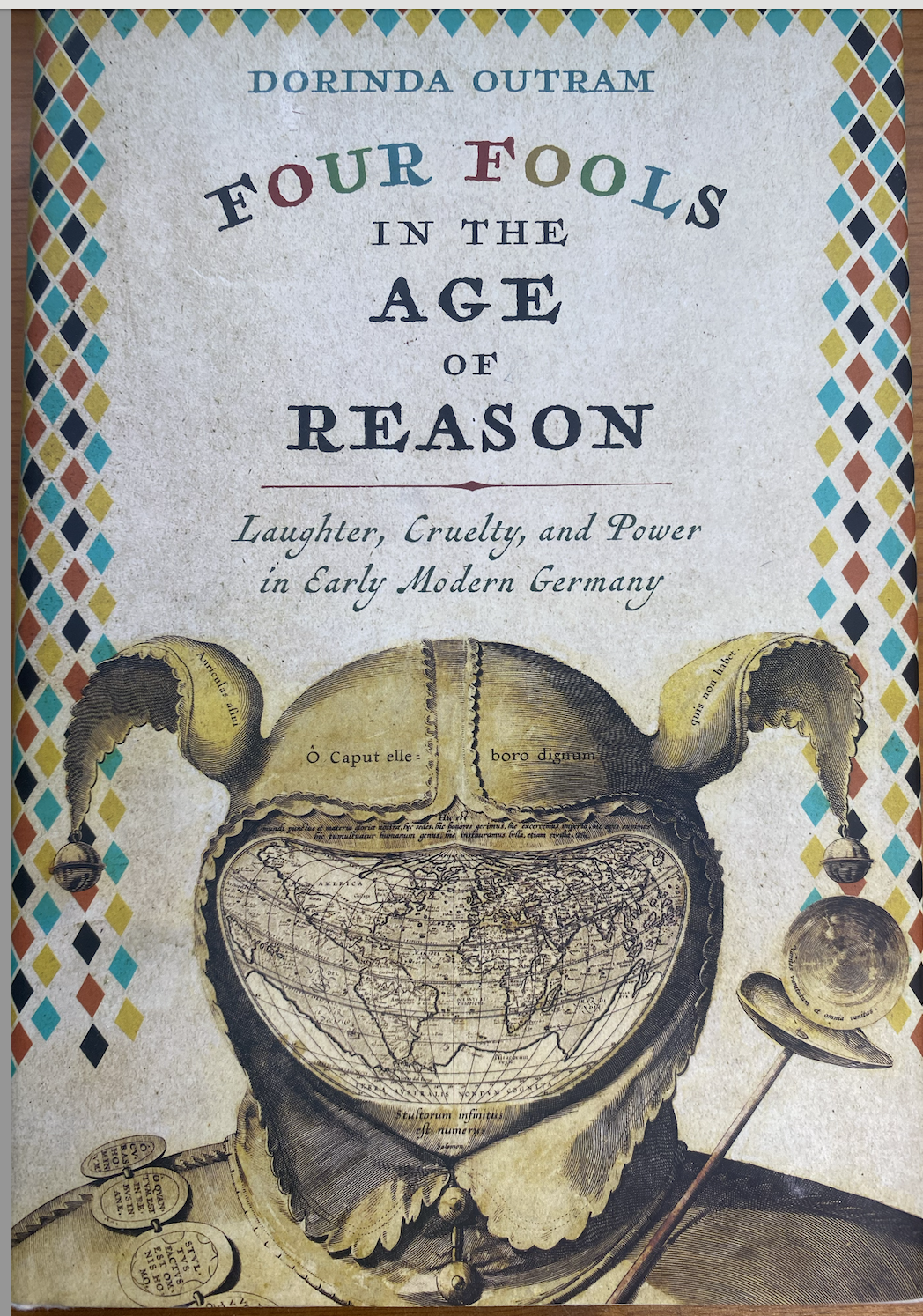
In the late 1700s, the Age of Reason – Enlightenment – elevated the rational individual as the central unit of progress. Intelligence became personal. Decision-making became internal. Authority became clarity.
And slowly, the court jester disappeared. Ambiguity was no longer tolerated. Irony became frivolous. Contradiction became dangerous. The myth of the self-sufficient mind replaced the social fabric of insight.
Yet Pentland quietly dismantles that myth.
On page 59 he writes:
“Our ability to survive and prosper is due to social learning and social influence at least as much as it is due to individual rationality.”
And on page 60:
“Collective intelligence” — an intelligence of a community — comes from idea flow: we learn from the ideas that surround us, and others learn from us.
This is not poetic collectivism. It is measurable social physics.
From Collective Intelligence to Collective Serendipity
When:
- Participation is balanced
- Contrarian signals survive
- Structural holes connect separate clusters
- Feedback loops remain dense
Groups do not merely perform better. They sometimes experience a shared reframing. A shift in interpretation. A better story emerging in real time.
That moment is not just collective intelligence — It might become collective serendipity.
Not “happy accident.” Not retrospective storytelling. But real-time restructuring of shared meaning under pressure.
The Question CEOs Should Be Asking
For 250 years, organizations have been built on a simple assumption: Smart individuals make smart decisions. Pentland’s data suggests something more uncomfortable:
The pattern of idea flow matters more than individual intelligence.
So if your organization is not producing breakthroughs, is it really a talent problem? Or is it a pattern-of-idea-flow problem?
Most executives invest in:
- Hiring smarter people
- Increasing analytics
- Accelerating decisions
- Adding information
Very few invest in:
- Improving conversational turn-taking
- Protecting contrarian signals
- Designing bridges between silos
- Preventing echo formation
If your leadership team speaks 70% of the time in meetings, you are not running a high-IQ organization. You are running a low-flow system. If dissent dies early, you are not protecting strategy. You are protecting fragility.
In the Postnormal Era speed is not the primary competitive advantage. Healthy idea flow is.
And healthy idea flow does not emerge automatically from hierarchy. It requires structural reconstruction.
It requires someone who:
- Redistributes voice
- Bridges structural holes
- Surfaces anomalies before they escalate
- Times interventions so reframing becomes possible
In other words: It requires the 21st-Century Jester.
Not as entertainer. Not as symbolic dissenter. But as guardian of collective intelligence. Because when idea flow is healthy, collective intelligence emerges.
And when collective intelligence is healthy, collective serendipity becomes possible.
That is not poetry or hallucination. That is social physics.
(Direct quotes: Alex Pentland: Social Physics – How Social Networks Can Make Us Smarter, 2014, Penguin Books, New York)