Do you often wonder, why we are nowadays constantly surrounded by a deluge of information, opportunities, and distractions. It’s a world that often praises the “hedonistic” idea of connecting the dots, of finding success through a series of lucky and serendipitous encounters. We see it in movies, self-help books, and motivational speakers who claim that if we only learn to recognize and take advantage of these chance moments, we can all be heroes of our own story. But beneath this glossy surface lies a deeper truth that we often overlook—one that comes from the wisdom of ancient philosophy.
“With less, one finds; with too much, one is lost.”
Lao Tzu, the founder of Taoism, once wisely said, “With less, one finds; with too much, one is lost.” This simple yet profound adage offers a refreshing counterpoint to the modern obsession with accumulating experiences, opportunities, and connections. It encourages us to strip away the unnecessary and embrace simplicity in our search for fulfillment and meaning. In contrast, the “hedonistic, Hollywood-style daydreamers” notion of serendipity encourages us to chase after every fleeting opportunity, believing that more encounters, more connections, and more “dots” to connect will lead us to happiness and success. But what if the opposite is true? What if, in seeking more, we’re actually losing the very thing we’re looking for? What if the hunt for new insights will take our time and energy, and nothing is left for successful implementation?
The Perils of the Hedonistic, Hollywood-Style Daydreamers View
In “Hollywood -like” lifestyle the narrative often follows a protagonist who stumbles upon a series of miraculous, serendipitous events, each one leading to a grand epiphany or major life change. This portrayal of serendipity as a magical force that works only for the bold, lucky, or heroic is captivating, but it can also be dangerously misleading. It paints a picture of a world where success is the result of a continual cascade of serendipitous moments—where we need to always be on the lookout for that next connection or encounter to propel us forward.
This portrayal of serendipity as a magical force that works only for the bold, lucky, or heroic is captivating, but it can also be dangerously misleading.
But real life doesn’t work that way. We all have the same 24 hours in a day, and if we chase after every “serendipitous” opportunity, we risk spreading ourselves too thin and losing focus on what truly matters. This “coincidensity” mentality, a notion coined by Matt Biddulph, a technologist and former software engineer at Apple. He introduced this concept to describe environments where social density and diversity intersect to foster serendipitous innovation. That kind of mentality encourages us to believe that our success or fulfillment is solely dependent on identifying and capitalizing on those random moments. It places unnecessary pressure on us to be constantly alert and vigilant, always seeking the next big break, the next unexpected encounter. It leaves little room for true contemplation, reflection and most of all – the implementation of our insights!
Instead of fostering a sense of mindfulness, this mindset turns us into perpetual seekers, always looking for more, and in doing so, we end up missing the very things that could bring us lasting joy and fulfillment.
Returning to Simplicity: With less, one finds; with too much, one is lost
Lao Tzu’s message calls us to embrace the beauty of simplicity. In his view, the more we seek, the less we truly find. Success, happiness, and fulfillment don’t lie in constantly pursuing new opportunities, but rather in cultivating the already existing insights and opportunities. By stripping away the clutter, by focusing on what truly matters, we create the space for serendipity to emerge from the “state of mind”.
When we simplify our lives, we allow ourselves to enjoy our Carpe Diem moments. We can then recognize the opportunities that are already around us—those small, quiet moments that, in their simplicity, often carry the most profound insights. The real beauty of serendipity lies not in the grand, cinematic moments of chance encounters, but in the quiet moments when we are open to seeing things from a new perspective. In essence, Lao Tzu’s wisdom reminds us that sometimes, less truly is more. The key to fulfilling encounters is not in chasing after them, but in allowing them to find us when we least expect it—and when we are ready to embrace them and put a lot of effort to the implementation and really gaining the results!.
The Original Definition of Serendipity and Why Less is More
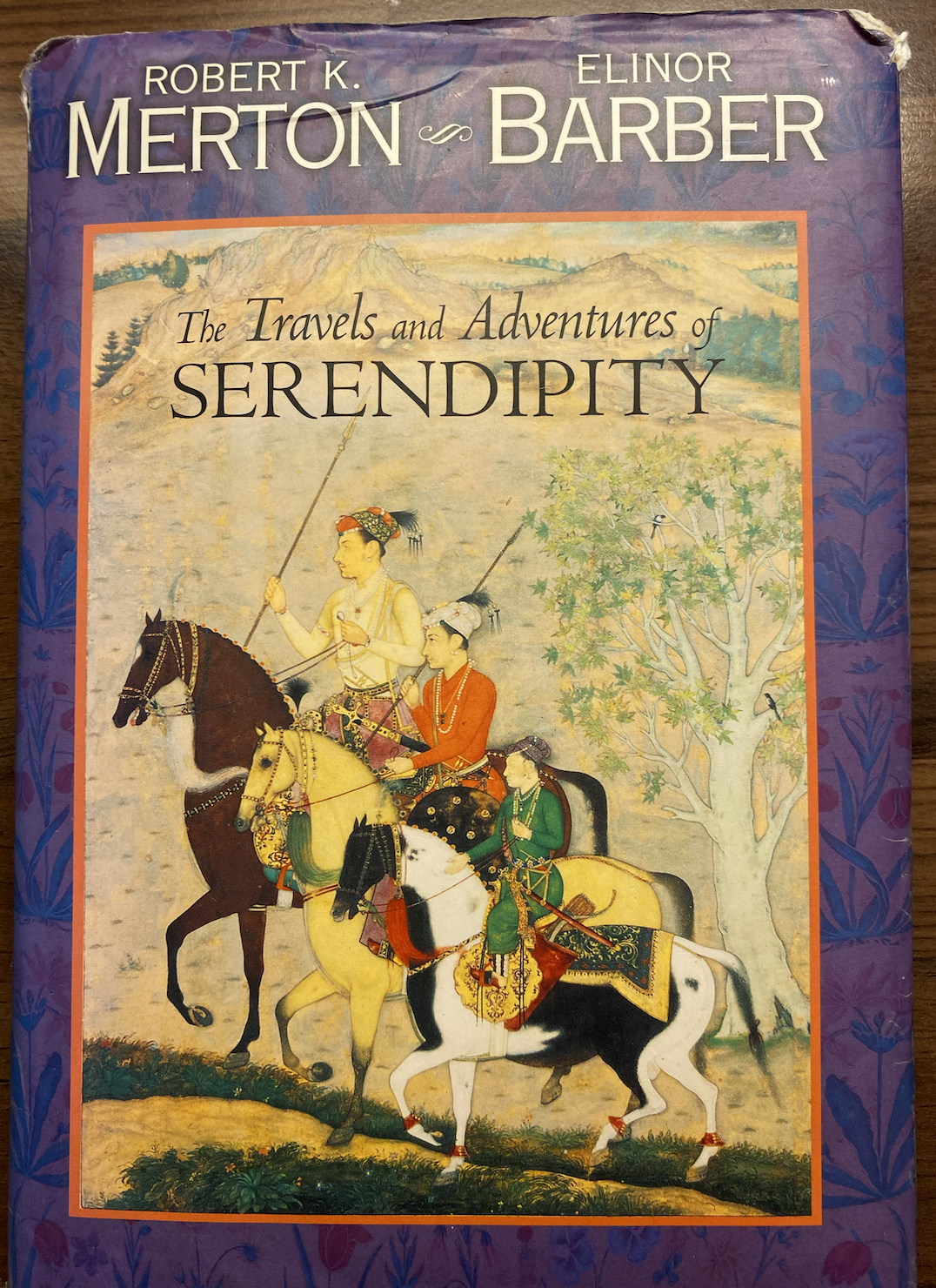
At the core of understanding serendipity is recognizing its original definition, as coined by Horace Walpole and later elaborated by Robert K. Merton. Merton described serendipity as “the quality of mind which, through awareness, sagacity, and good fortune, allows one to frequently find better things than was originally in quest of.” This definition of serendipity highlights that serendipity is not about chasing random moments or lucky breaks, but about cultivating a mind that is open and aware enough to recognize unexpected opportunities when they arise.
Merton described serendipity as “the quality of mind which, through awareness, sagacity, and good fortune, allows one to frequently find better things than was originally in quest of.”
Sadly the original definition of serendipity by Merton has been forgotten. Instead, “serendipity” has become a term hijacked by “hedonistic, Hollywood-style daydreamers,” who envision a life full of endless, dramatic encounters leading to personal success. This distorted version of serendipity promotes the idea that life’s true meaning lies in pursuing the next big connection, the next serendipitous moment, without ever considering the deeper, more reflective quality of mind that Walpole and Merton envisioned.
Insight often thrives in an environment of openness and stillness. By adopting Lao Tzu’s principle of “with less, one finds,” we shift our focus from the constant pursuit of new connections to a more mindful, intentional way of being and feeling. We become more attuned to the opportunities that naturally align with our values and goals, rather than chasing after the next, and then next serendipitous encounter.
Rather than pursuing an endless parade of serendipitous encounters, we can learn to recognize the smaller, more meaningful moments that might otherwise go unnoticed. It’s about being present and aware in each moment, allowing serendipity to unfold in its own time, rather than forcing it to happen. Actually serendipity is like a true love, the more eagerly you are looking for it, the less likely you are to find it!
It’s about being present and aware in each moment, allowing serendipity to unfold in its own time, rather than forcing it to happen. Actually serendipity is like a true love, the more eagerly you are looking for it, the less likely you are to find it!
While the hedonistic approach to serendipity can be inspiring and entertaining, it ultimately fails to capture the true essence of what it means to live a fulfilled life. Lao Tzu’s wisdom offers a more grounded and sustainable path: one that values simplicity, mindfulness, and the quiet wisdom that comes from embracing less, but implementing the already existing insights fully! In a world that constantly urges us to do more, be more, and connect more, the greatest breakthrough may be found in the power of simplicity and the wisdom of trusting our accidental sagacity.
So, the next time you’re advised to chase after that next big serendipitous encounter, take a step back and ask yourself: How much is too much? Might there be wisdom in allowing the simple, unexpected moments to come to you instead? Would it be wise to implement properly what we have already created? Would it be wise to keep and nurture the existing trusted relationships instead of rushing to seek for new ones?
Would it be wise to implement properly what we have already created? Would it be wise to keep and nurture the existing trusted relationships instead of rushing to seek for new ones?